
Agentic web market signals: advertising, commerce & identity layers emerging
This week's market signals look at the emerging economic layers of the agentic web: advertising standards, agentic commerce infrastructure, plus identity and discovery systems for AI agents.
In this week's market signals briefing, I focus on how the economic aspects of the agentic web are shaking out. This was always a key part of my analysis of Web 2.0 during my ReadWriteWeb days: how can these new web technologies be harnessed for commercial purposes?
In the AI era, it's even more important to track this, because the overall web ecosystem has become very unbalanced since Web 2.0. On the one hand you have platform companies like Google, Amazon, OpenAI and Anthropic — these corporations hold massive power now. On the other hand, you have indie players scrambling to a) adapt to changing consumer habits (in the case of indie retailers and marketers), or b) find a way to survive (in the case of web publishers).
It's crucial that all participants in the agentic web ecosystem can not only survive, but eventually thrive. That's a good reason to look at how the advertising and commerce sectors are adapting, because in past eras they have provided much-needed revenue streams to the media and publishing sectors. So let's take a look...
Market Signals
📡 Agentic advertising is in its wild west phase 🤠
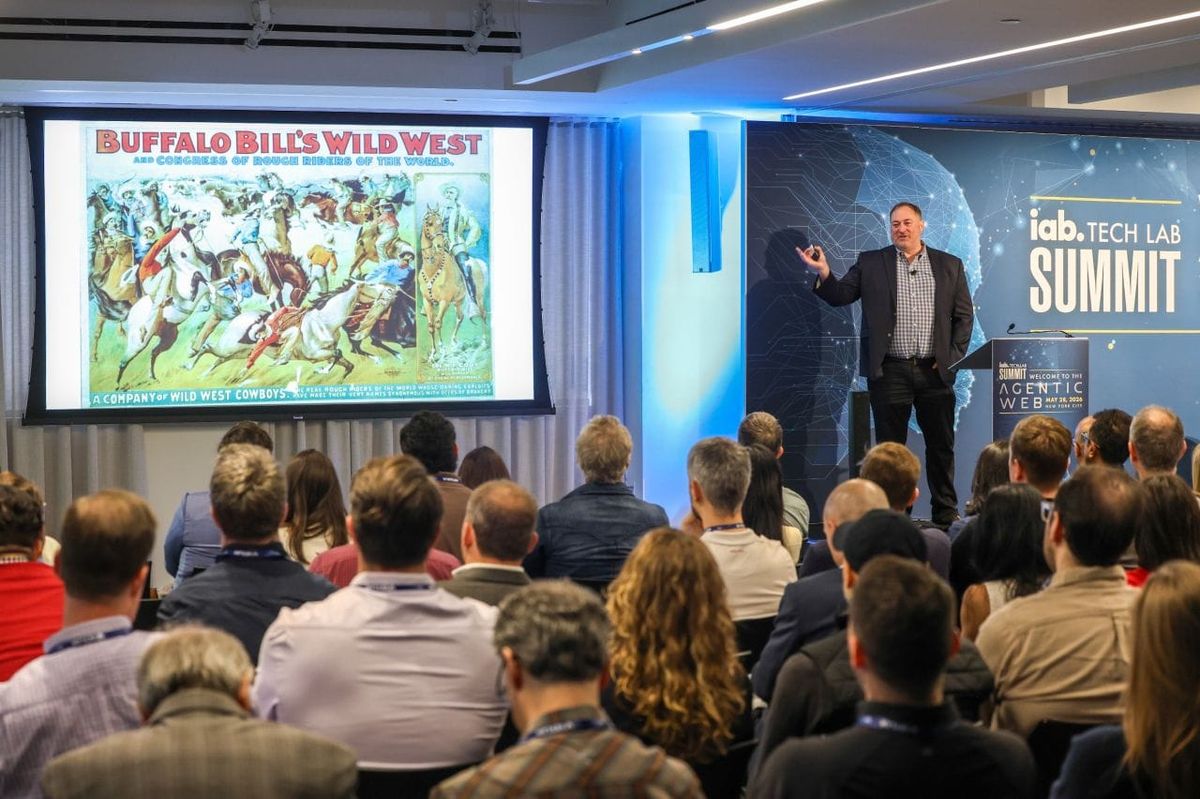
Last Thursday the IAB Tech Lab held its annual summit, which this year had the theme, "Welcome to the Agentic Web." The Interactive Advertising Bureau (IAB) is a US trade association and so of particular interest were the discussions around agentic AI in advertising.
The event kicked off with a fireside chat with Sir Tim Berners-Lee, who emphasized that user control and privacy shouldn’t be sacrificed for business outcomes. Sir Tim is currently CTO of Inrupt, a company that builds products — like the "agentic wallet" — that enable people to control their data.
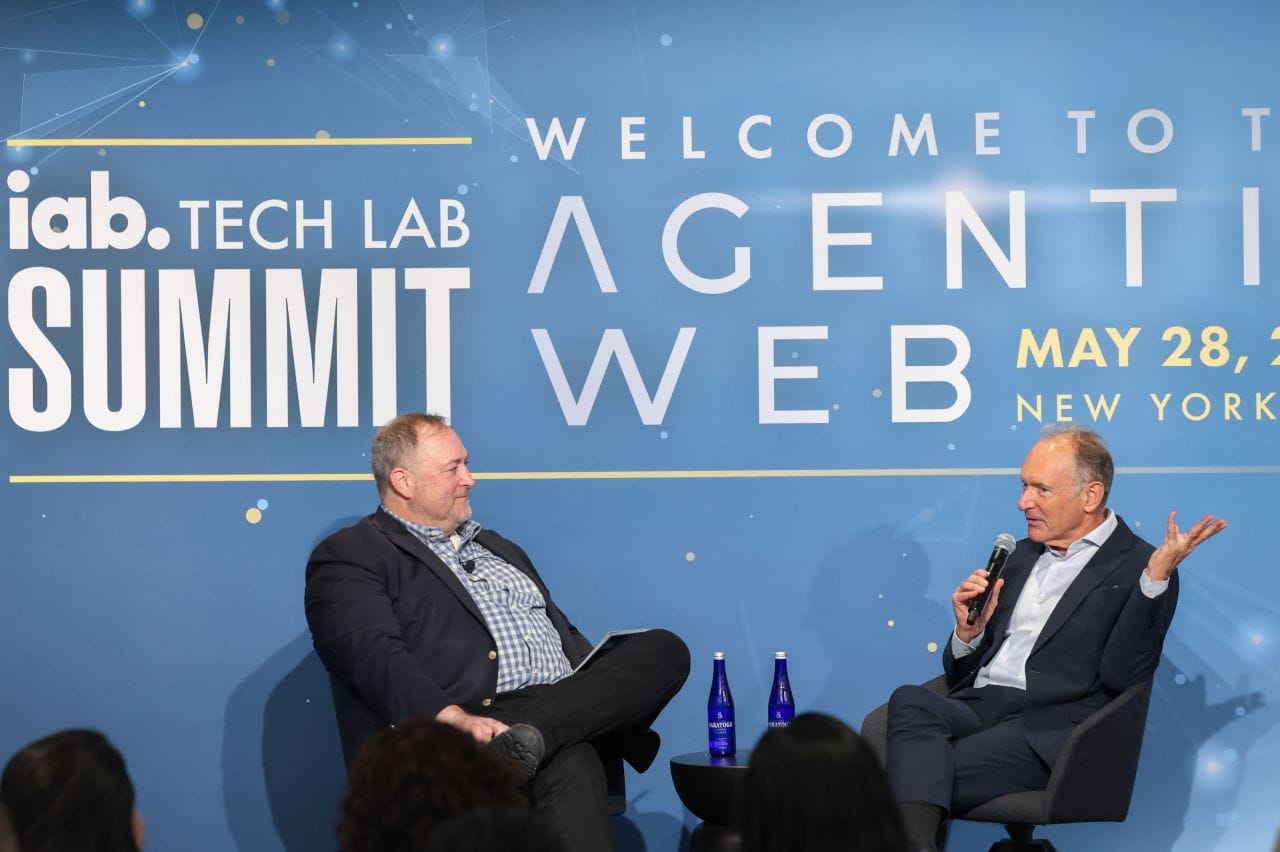
During the event, The Current spoke with IAB Tech Lab CEO Anthony Katsur. He noted that the main advertising use case he's seeing is to "use agentic to make programmatic [advertising] smarter and more effective." He thinks "agentic direct buying" isn't a strong use case currently. Ultimately though, it's emerging agentic standards he is focused on: "Right now, agentic standards are the Wild West…. Everyone is running off and developing agentic solutions."
The IAB itself has been active in trying to establish these standards.
In the leadup to its conference, IAB outlined an umbrella framework called AAMP (Agentic Advertising Management Protocols). The stack is an alphabet soup of acronyms, but it's mainly about agents acting inside the advertising transaction ecosystem. AAMP is being positioned as complementary to existing agentic connection standards, such as MCP and Google's A2A.
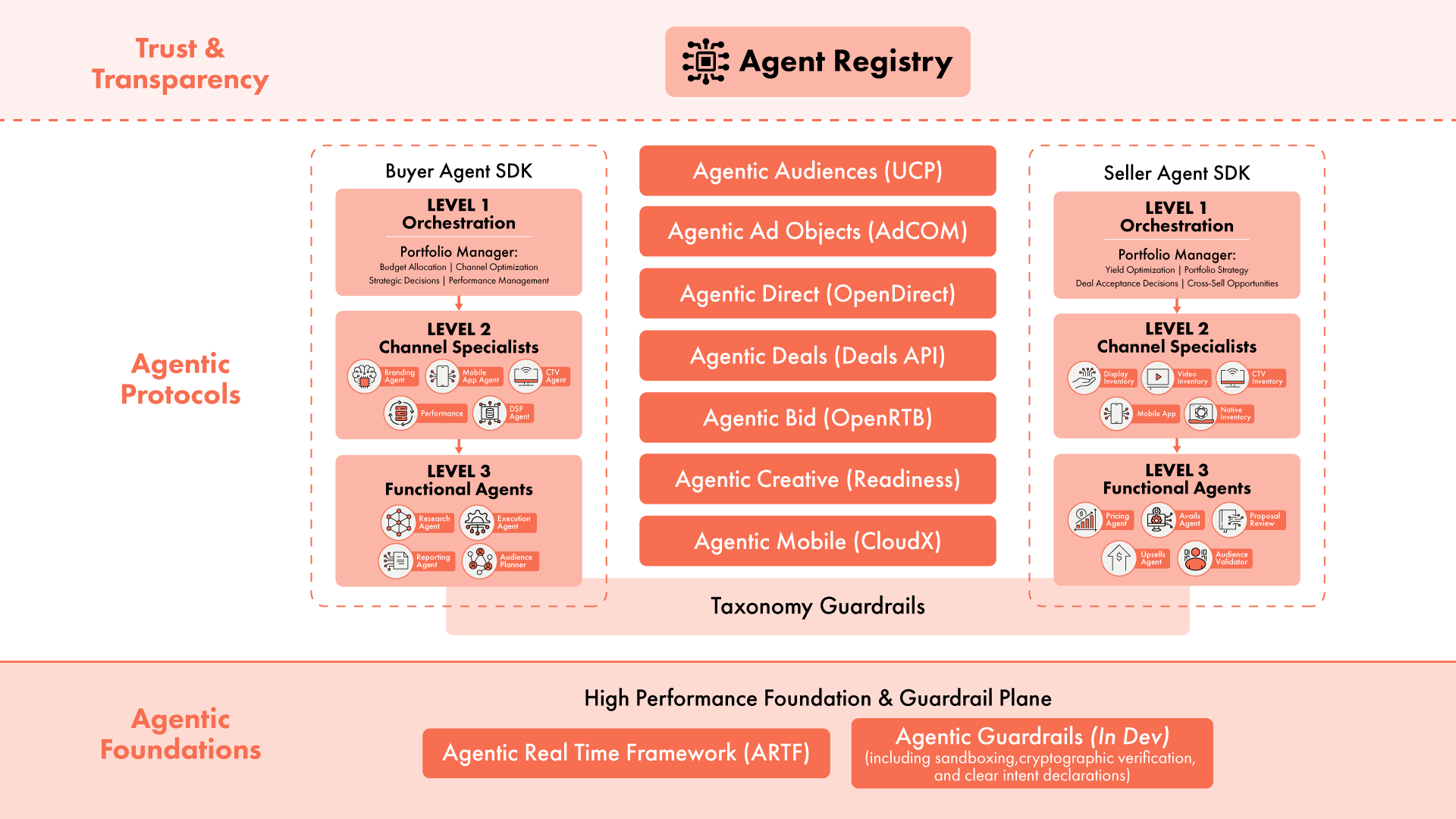
Also prior to the event, IAB Tech Lab released its guidance for content owners to manage AI bots and crawlers. According to a writeup in PPC Land, this was "explicitly positioned as a support layer for CoMP API adoption." The CoMP specification (Content Monetization Protocols) was finalized in late-April as "a technical framework requiring AI systems to have commercial agreements in place with publishers before any content crawling occurs."
I liked the advice of IAB Tech Lab's Hillary Slattery, who said in an interview with AdExchanger that blocking all bots and crawlers is an ineffective strategy: "Don’t turn everything off. It’s not a light switch; it’s a mixing board."
To help with the dizzying array of new agentic advertising and commerce standards, AdWeek published a useful guide. It includes standards not mentioned by IAB in its stack, such as Ad Context Protocol (AdCP). The wild west, indeed!
📡 Amazon launches Agentic Shopping Assistant 🛒
In a move reminiscent of when Amazon first offered its internal web services to businesses back in Web 2.0, the company has announced the Agentic Shopping Assistant on AWS, which is "built on AWS services such as Amazon Bedrock, AgentCore, and OpenSearch."
As GeekWire noted, this is "built on the same technology that powers the Alexa for Shopping assistant on Amazon.com, formerly known as Rufus."
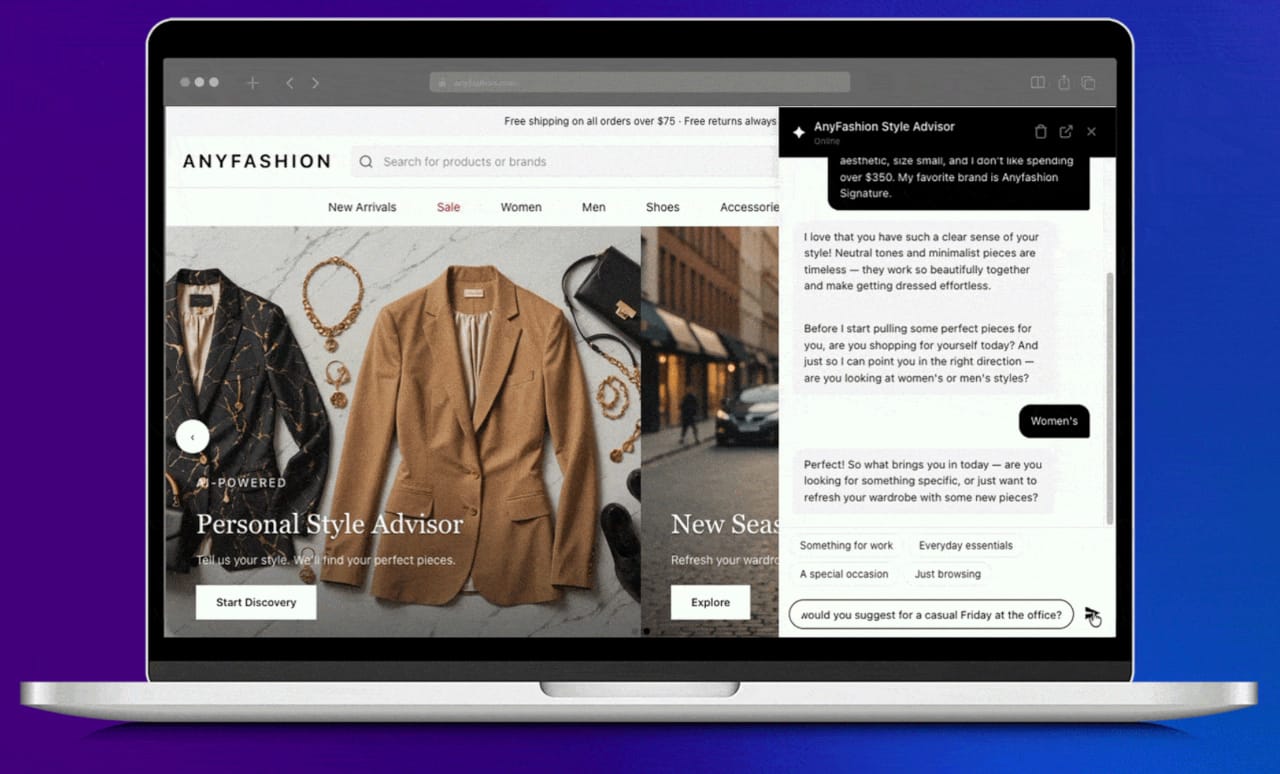
Agentic commerce is a very busy market category, with Google, Shopify, OpenAI, Stripe, Microsoft, Walmart, and others involved in various projects and partnerships.
The open protocol with the most industry support is Universal Commerce Protocol (UCP), which was announced by Google in January. Amazon officially joined the UCP tech council in late-April — late to the party, perhaps, but its involvement now signals that this protocol has real momentum.
Since agentic retail is taking off on the web, Amazon has also decided to get into the picks and shovels business. As AI commerce pundit Roger Dunn put it on LinkedIn, "Amazon now assumes every retailer needs a conversational front door, and would rather sell the foundations than watch AI rivals build them."
📡 AI agent identity and discovery solutions 🆔
The Linux Foundation has announced the launch of the DNS-AID project "to advance decentralized AI agent discovery." The gist:
"Initially developed by Infoblox, DNS-AID provides a vendor-neutral framework for publishing, discovering, and verifying AI agents and Model Context Protocol (MCP) servers without relying on centralized registries or hardcoded integrations."
In practice, this could include agent-specific DNS names such as contract-agent.company.com.
Other than Infoblox, a networking and security company, initial project members include Cloudflare, Equinix, GoDaddy, and others.
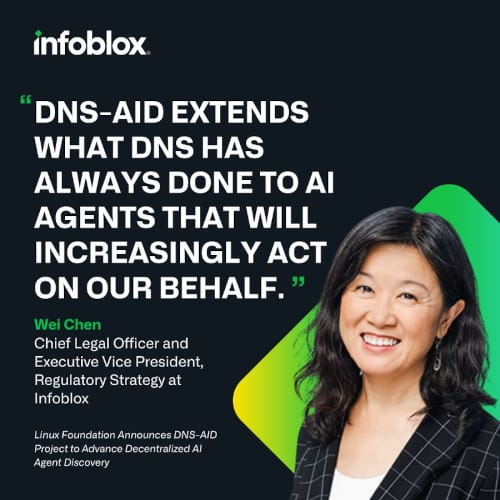
In an interview with the AI Security and the Law podcast, Wei Chen from Infoblox argued that AI agents need identity systems tied to domains. She explained that an organization's domain name is a key signal for trust and credibility:
"So because [a] domain was created as something that signals or that conveys trust on behalf of an organization, we're advocating for that level of trust to be extended to agents or MCPs or any other endpoints."
But there's a lot still to figure out here. Recently I've spoken to two different AI companies, and both conversations touched on the identity layer of agents. One is a company building an identity solution based on DNS, while the other vendor is taking a middleware approach and says DNS isn't the answer. (I will be publishing these two interviews shortly, so I will delve into the identity / discovery issue more then.)
Watchlist
👀 Gemini Spark launches in limited beta
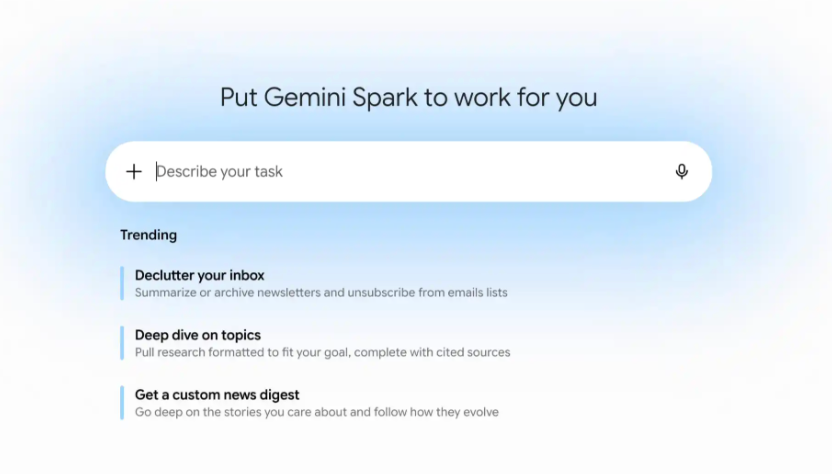
Google's Gemini Spark — the 24/7 personal agent announced at I/O — went live for AI Ultra subscribers in the US late last week. According to 9to5Google, there are three core components: Tasks, Schedules, and Skills. You can have up to 15 tasks running at a time.
Obviously, it's too early to tell how good the product is, but it will be fascinating to track — especially in the context of Tim Berners-Lee's notes at the IAB event, about user control and privacy being paramount in the agentic web. Google cannot afford to drop the ball on this.
Thanks for reading Agentic Web News — my independent analysis of the companies, standards and ideas shaping the next phase of the web. Alongside weekly market signals, I’ll be publishing interviews with the early builders defining this space.
If this issue helped clarify where the agentic web is heading, please forward it to someone who should be tracking this trend.
To receive future editions, subscribe by email. It's currently free, but you can also become a founding supporter of AWN, to help it become financially viable.
I also advise companies on agentic web strategy, Agent Experience, AI visibility, and agent-facing product strategy. Learn more at ricmac.org.


Comments ()